Looking at Ceramic Storage Vessel Rims
by Mok Siu Lam, Olivia, University of Hong Kong, Faculty of Education (English Education) Undergraduate Student
Feburary 2021
Among the thousands of pottery vessel fragments unearthed during the 2019 excavation season at the Vedi Fortress in Armenia, many of these are pieces of large storage vessels. It appears that people in the past were storing many things within this fortified site. We find ceramic fragments, also known as sherds, since the whole vessels usually break over the centuries - so it is rare for archaeologists to find complete whole vessels. However, archaeologists can analyze the sherds to help understand the shape of the original vessels. Sherds may come from any part of the original vessel - and we often make a distinction between sherds from the rim versus those from the body in general. For example, Price and Knudson (2018:252) note that “rim sherds include part of the rim or mouth and can reveal important information about the vessel, such as how the pot was finished and how big the vessel was. Body sherds are rimless pieces of the pot that are useful, but less informative. In general, rim pieces often are more heavily decorated than body sherds.” Thus in this post, I look at rim sherds of pottery storage vessels found at the Vedi Fortress.
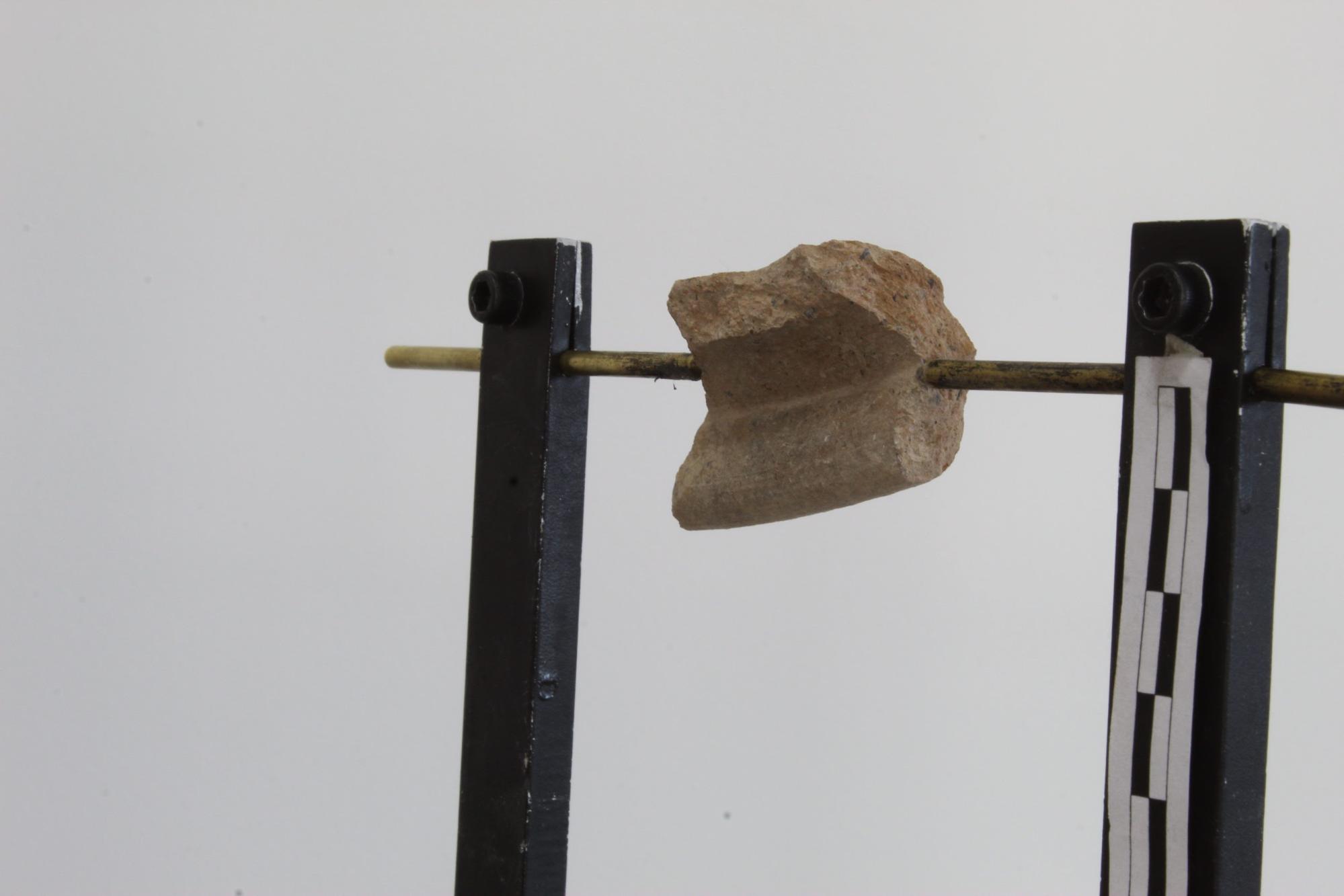
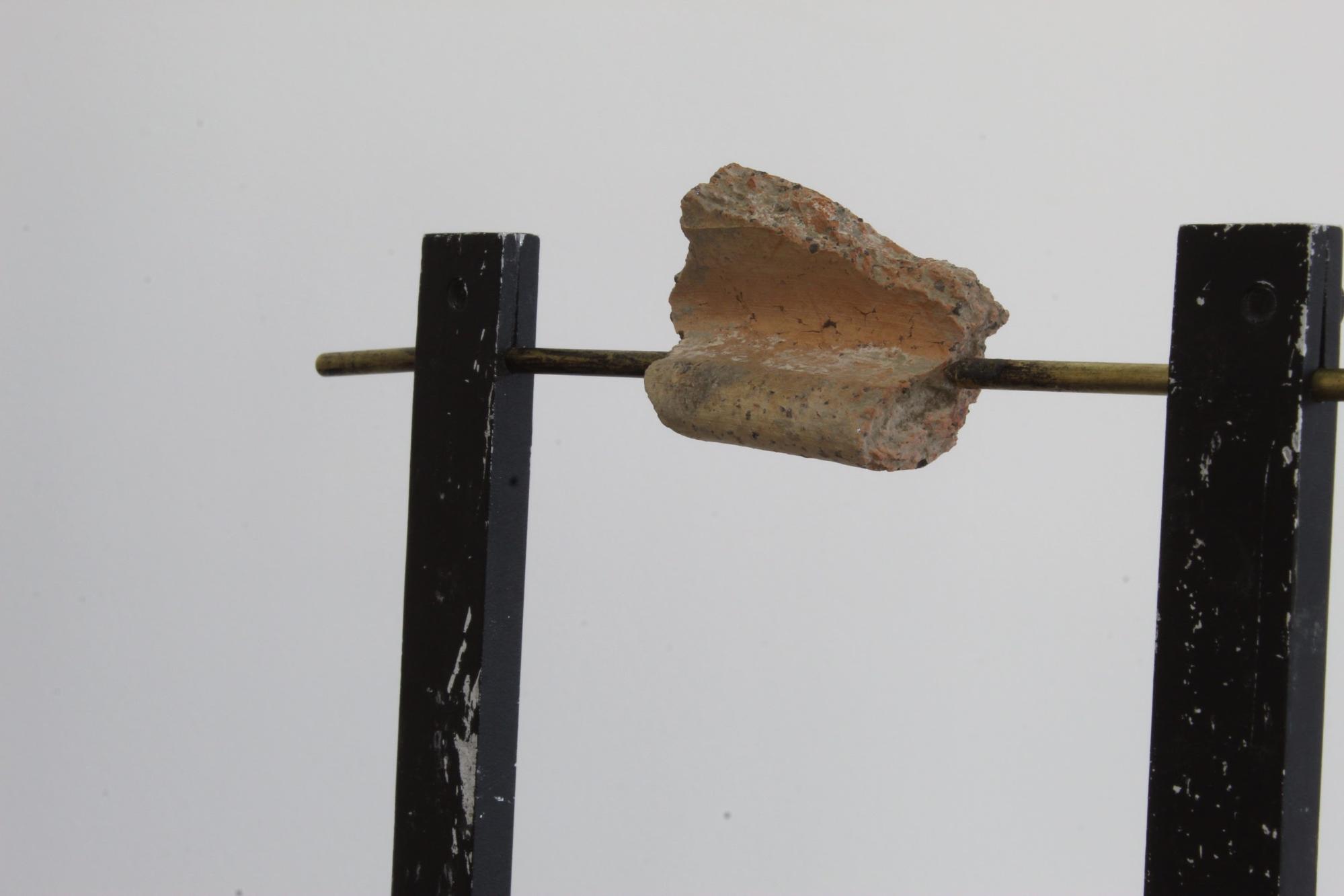
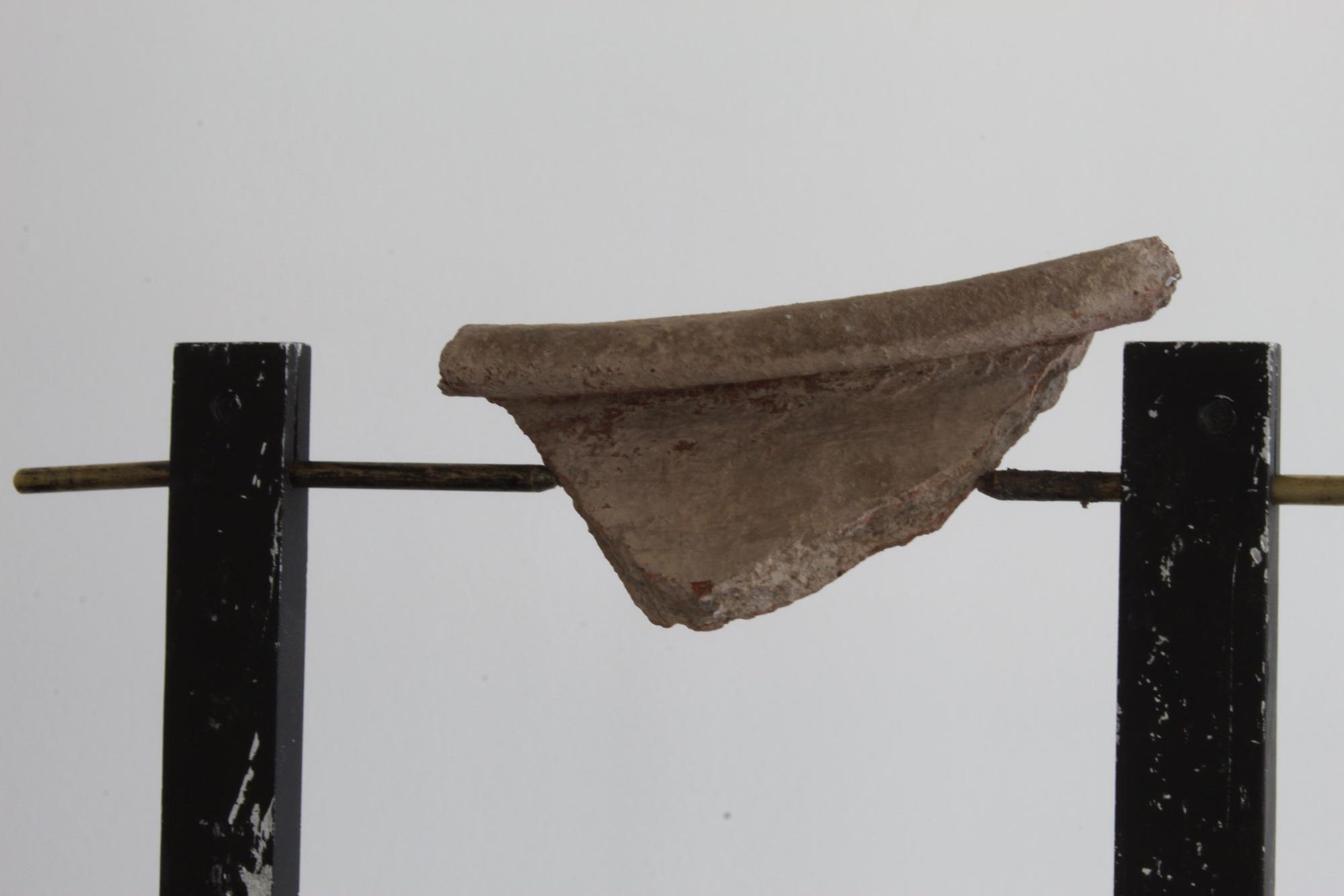
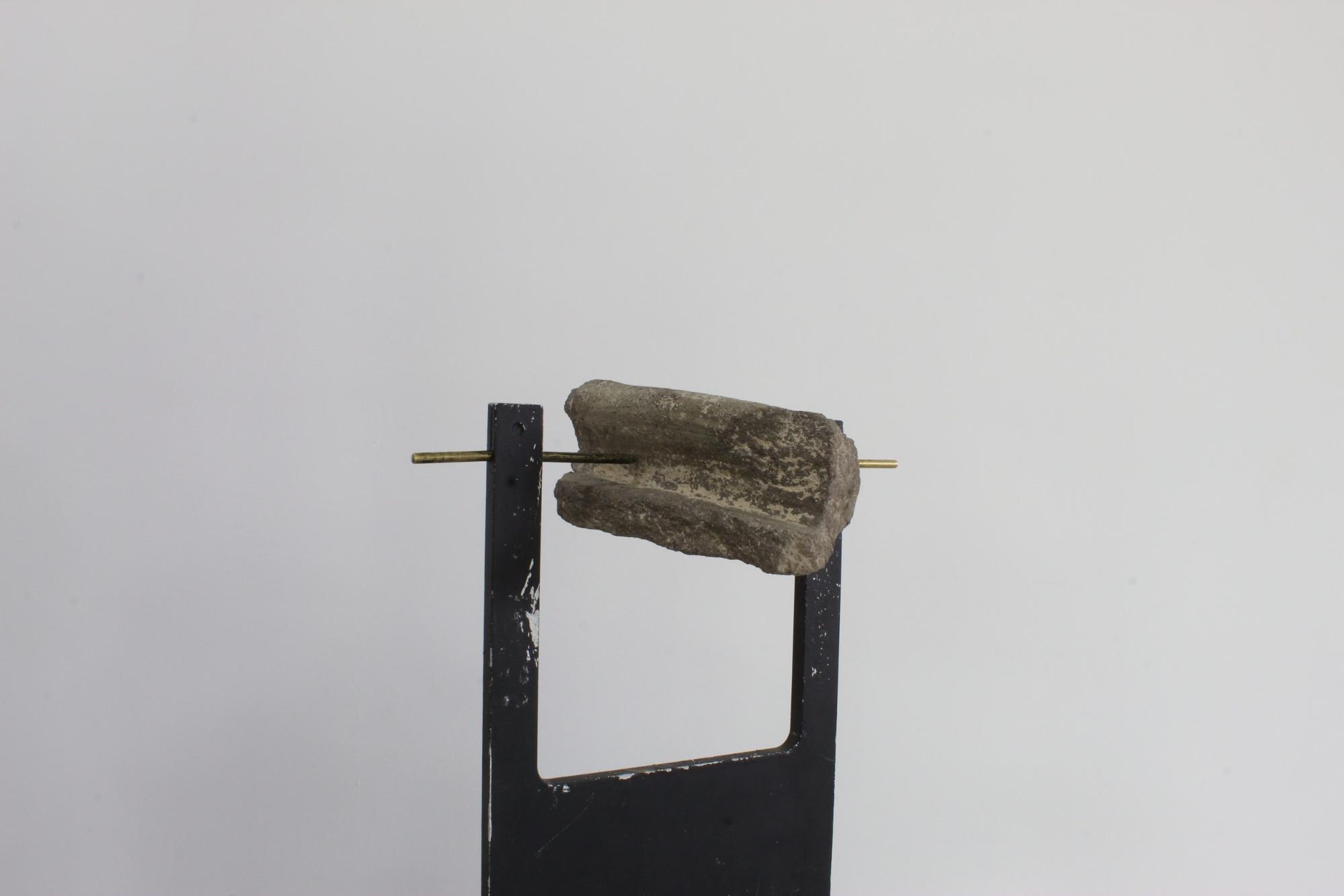
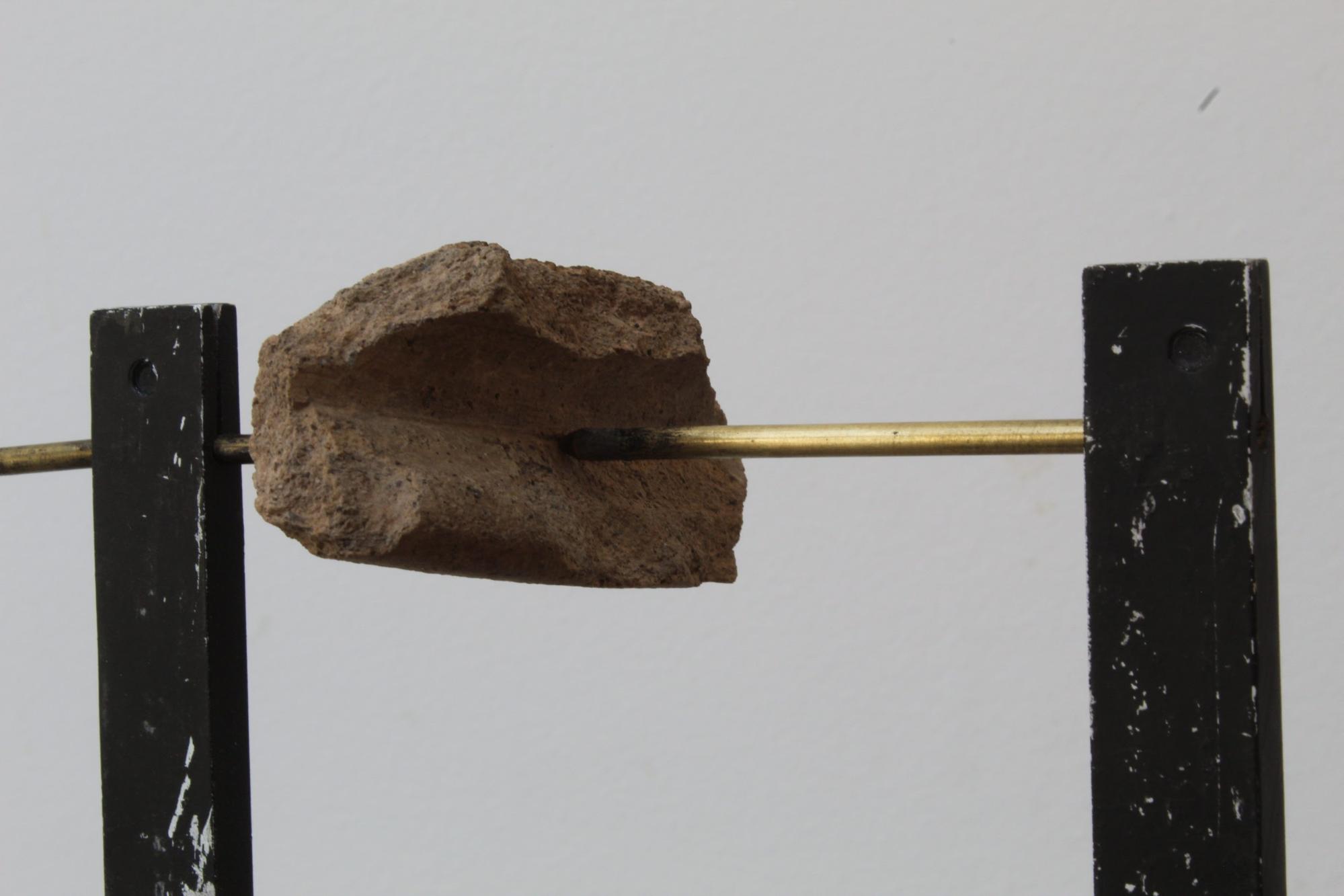
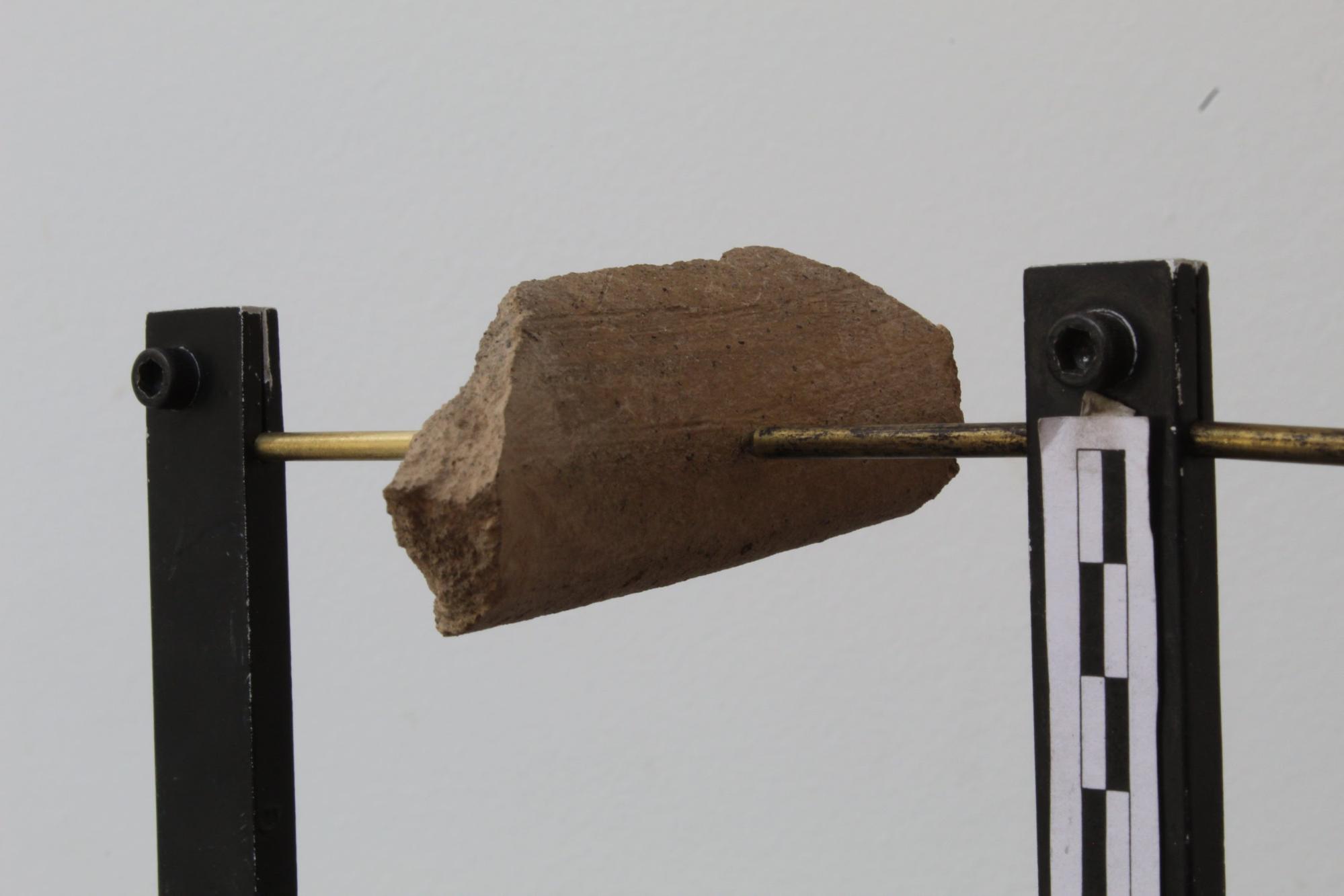
These are some pictures of rim sherds of storage vessels, held up in this position for 3d modeling by photogrammetry.
While analyzing each rim sherd, we would want to deduce the whole storage vessels’ possible size and shape from the sherd. Given the rotational symmetry, our guess should be pretty close, though of course not perfectly precise - but this is often the only information available. Chase (1985:213) suggests that “past studies of the quantitative relationships between sherds and the whole vessels from which they are derived have remained theoretical because the data used were from archaeological contexts where only information from sherds was available.”
These last two photos are different angles on the same rim sherd. I estimate that the rim's diameter would be around 16cm. I arrived at this estimate by tracing a circle on the 3d model of the sherd, where the circle's perimeter follows the outer surface of the rim sherd. Such a circle simulates the circular rim of the whole original vessel. Thus, the measured diameter of this circle estimates the rim diameter of the whole vessel.
We also look closely at the shape of the rim in order to try to understand what the whole vessel would have looked like. We can specifically observe the wall thickness and the pattern of curvature variance. We can then turn to other published examples of sherds from other sites to compare the profiles, giving us some idea about the possible shape of the whole vessel. For example, in this drawing, the rim points slightly outward and exhibits some thickness.
(figure from Smith et al 2009)
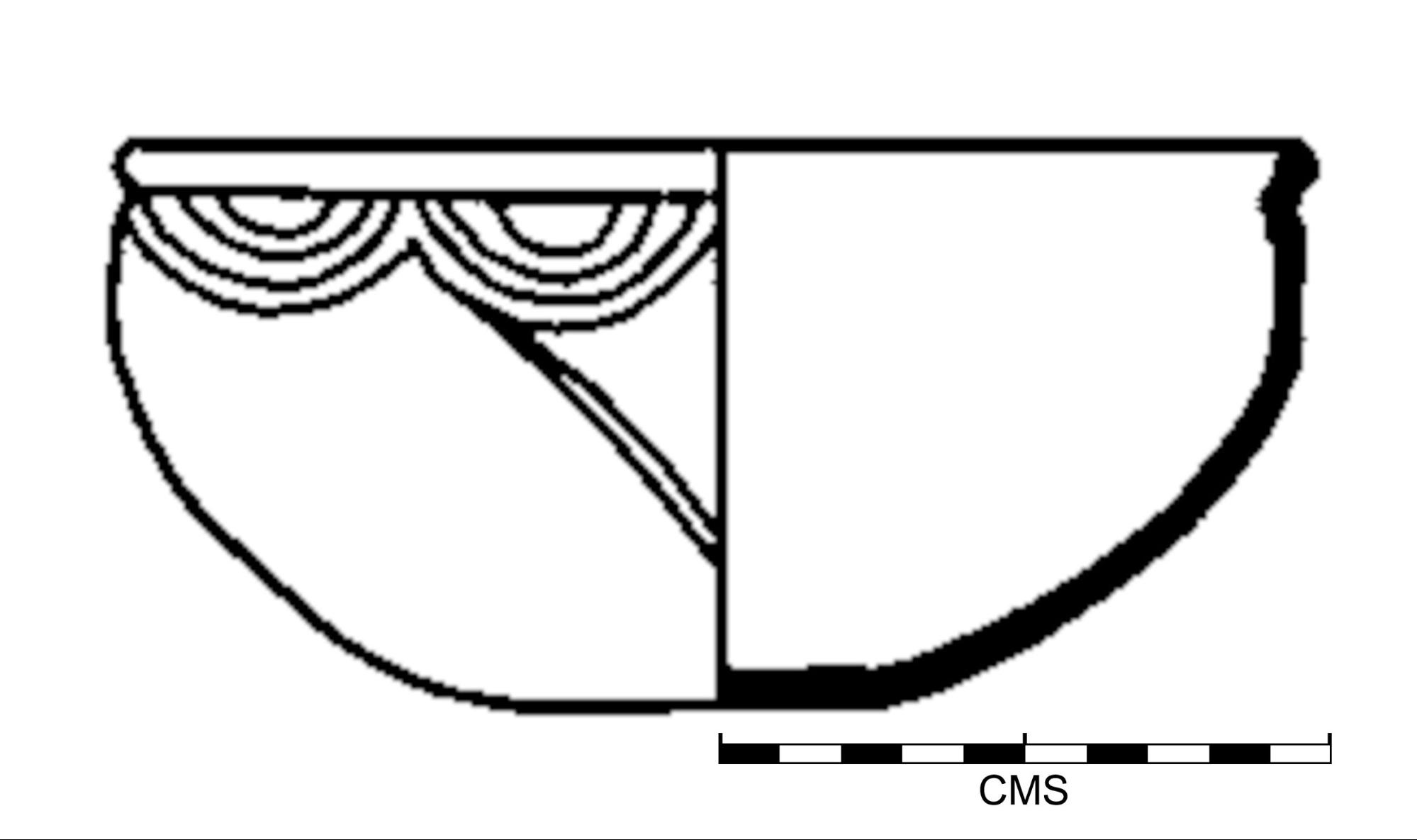
On the other hand, the drawing below has a rim that is thinner and only curves out gently rather than turning quickly like the previous vessel's rim.
(figure from Smith et al 2009)
References:
Adam T. Smith, Ruben S. Badalyan, and Pavel Avetisyan. (2009). The Archaeology and Geography of Ancient Transcaucasian Societies Volume I: The Foundations of Research and Regional Survey in the Tsaghkahovit Plain, Armenia. The Oriental Institute of the University of Chicago.
Chase, P.G. (1985). Whole vessels and their sherds: an experimental investigation of their quantitative relationships. Journal of Field Archaeology.
Price, T. D. and K. Knudson. (2018). Principles of Archaeology, Thames & Hudson, Limited. ProQuest Ebook Central
This page has paths:
- Armenia 2020 Peter Cobb