Landscape Archaeology
July 9, 2019
Hi everyone!
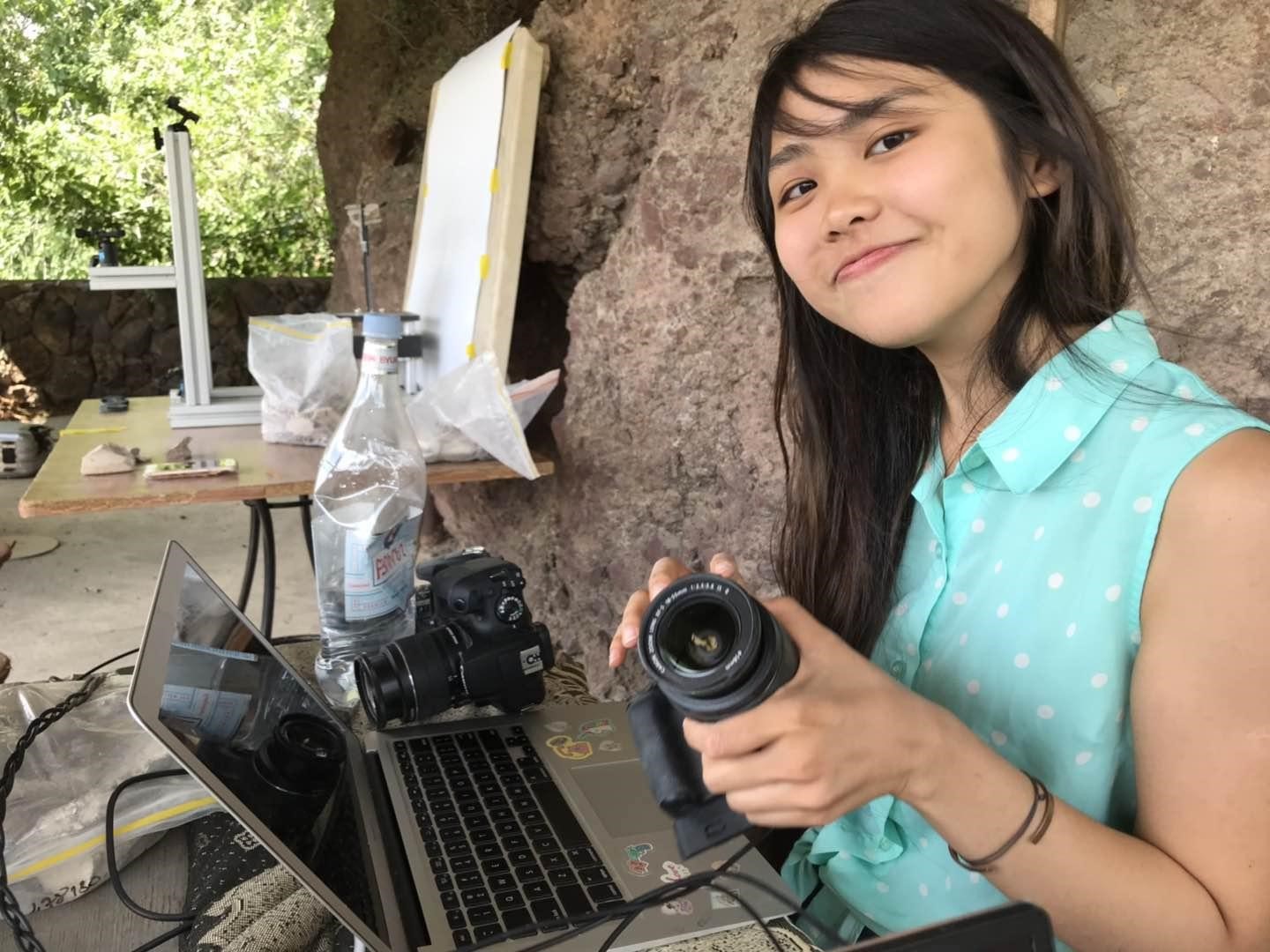
This is Yadian from China. I am a current landscape architecture student at the University of Hong Kong(HKU). I joined the archaeology project in Vedi this summer. At that time, I didn’t realize this would be such an unforgettable memory.
Originally, I saw the information that an archaeology team, working in Armenia, needs the architecture member to help building the site model and working with the geography information system (GIS). I am strongly interested in the interdisciplinary experience with the people from archaeology, computer engineering, history, anthropology and architecture conservation. So I directly flew to the unknown country at the end of May.
As for me, life here consists of three chapters: technology, inference and friendship.
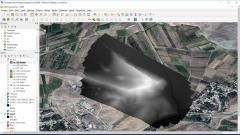
The most exciting part for me is the exploration of tight possible cooperation between related softwares. Before coming here, I thought archaeology is very primitive and only focuses on the physical excavation. But the technical zoomin process from regional plan to the excavations site is more than that. We not only collect the online geographic data like digital regional elevation model(DEM) from USGS and Aster satellite data, but also fly the drone to get our own high-resolution DEM data. At the same time, the generous Armenian archaeologists also share abundant and valuable geographic and geological information to help our research. After getting all the data, I use QGIS, a software we applied in landscape architecture, the one which can clearly combine geographic information that we got in different layers of the map.Through this workflow, the various information is better to be systematically operated and updated. Technology improves the efficiency.
The GIS work has more overlapping area with my original profession of landscape architecture, but the reasoning process across the excavation is closer to the archaeology itself. At the very beginning of the site selection, the project director Peter led us to hike many places around the Vedi and analyze the surroundings such as the topography, residential features, vegetation, climate and even community networks. According to this reasoning process, we gradually approach the most valuable site that could be excavated. For example, we found that Vedi fortress located in the inbetween area between natural forest and the town, and it’s the only way to enter the valley. As a result, it has essential defense meaning. After selecting this area, we started to find the concentration spot of the potteries, especially with the ancient stone wall. This kind of place is usually what we choose. In the excavation process, we dig layer by layer and discuss every context according to the stratigraphy. This experience made me fantasize that I became a detective in dialogue with history.
Except for the academic process, I am grateful about the village life with all the warm people here. Vedi is a remote area from the city, I feel slower life rhythm and close friendship. One day, I was deeply homesick, missing my family and Chinese food so much. When back to the room, Ivi, my friend from the team, prepared the best brand instant noodles from HK, which made me almost cried at that moment. The hot water and noodles are very scarce and in that kind of situation. She didn’t have too much suitcase space but still prepare such a special gift for me.

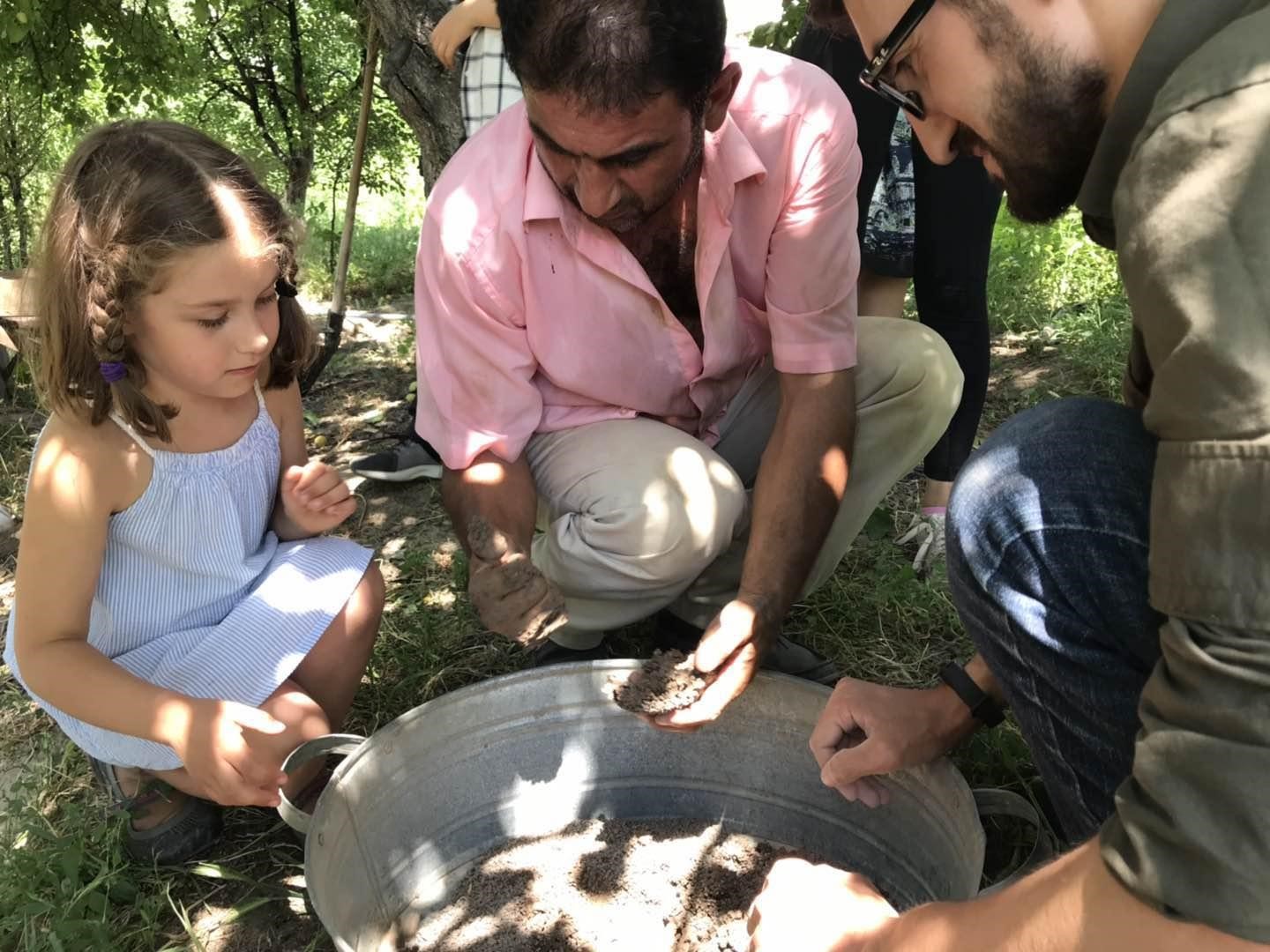
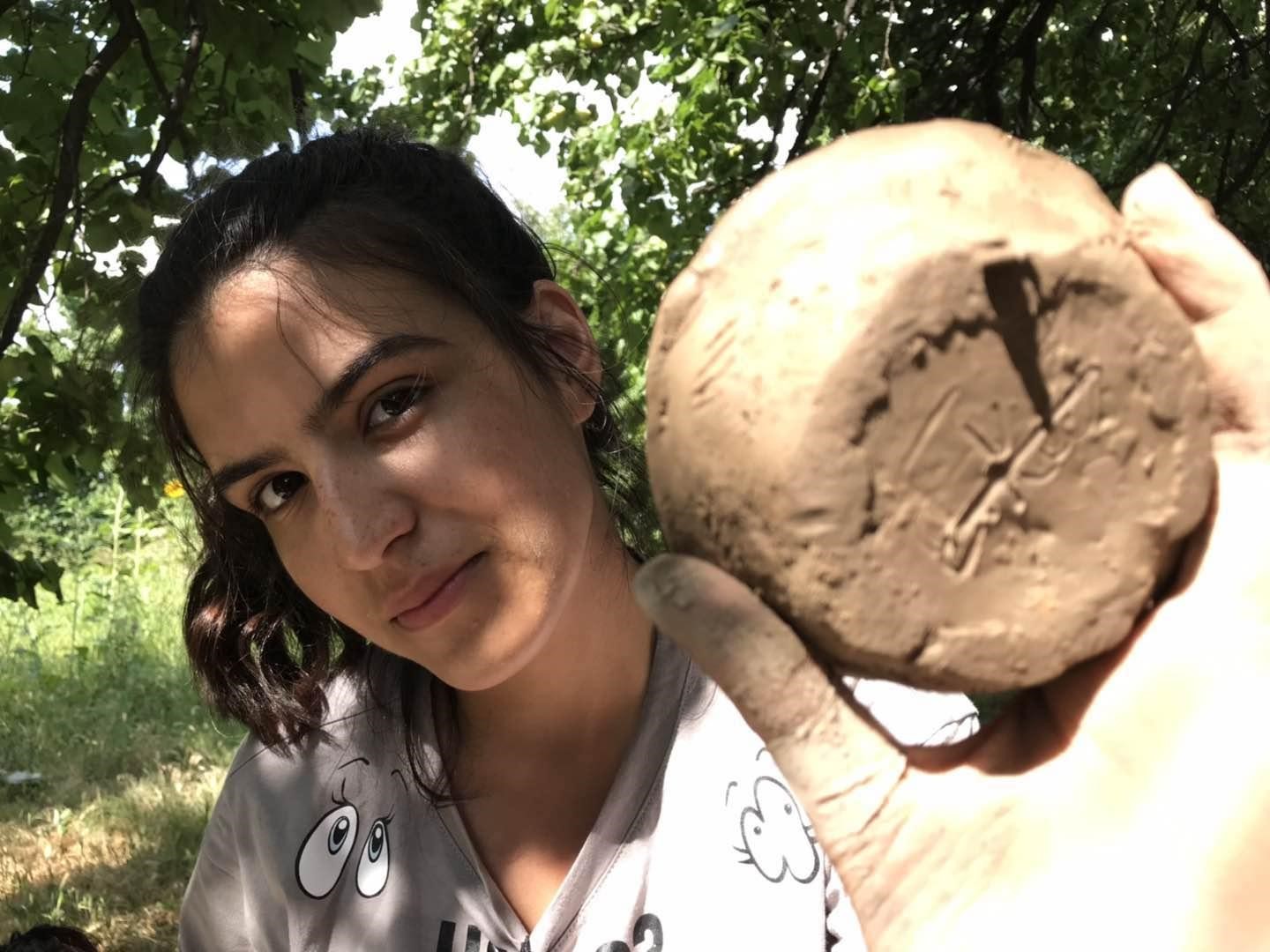
Recently, following a friendly and outgoing local archaeologist, we had a fruitful weekend in Vedi for joining the pottery making workshop in Hovick’s home. He has a big fruit garden in front of the house. We enjoyed the classical Vedi golden fruit: apricots, and also fresh peaches, plums, cherries. Good food always give you the first enthusiasm to begin the work! Hovick took our instructor Peter and the team member Ivi, Jeannie to go to the field to get the original clay for the sculpture. Then we start to screening the clay and add water to make it sculpturable. And everyone tried to get their own ‘plasticine’ to design their pottery. In this process, Hovick introduced us many interesting ways to draw traditional pattern on pot. For example, he used the sharp end of the comb to carve the clay embryo. We all became designer that moment!
This page has paths:
- 2019 Field Season Peter Cobb