Barev Dzez!
 by Malkia Okech, University of Pennsylvania undergraduate student
June 20, 2018
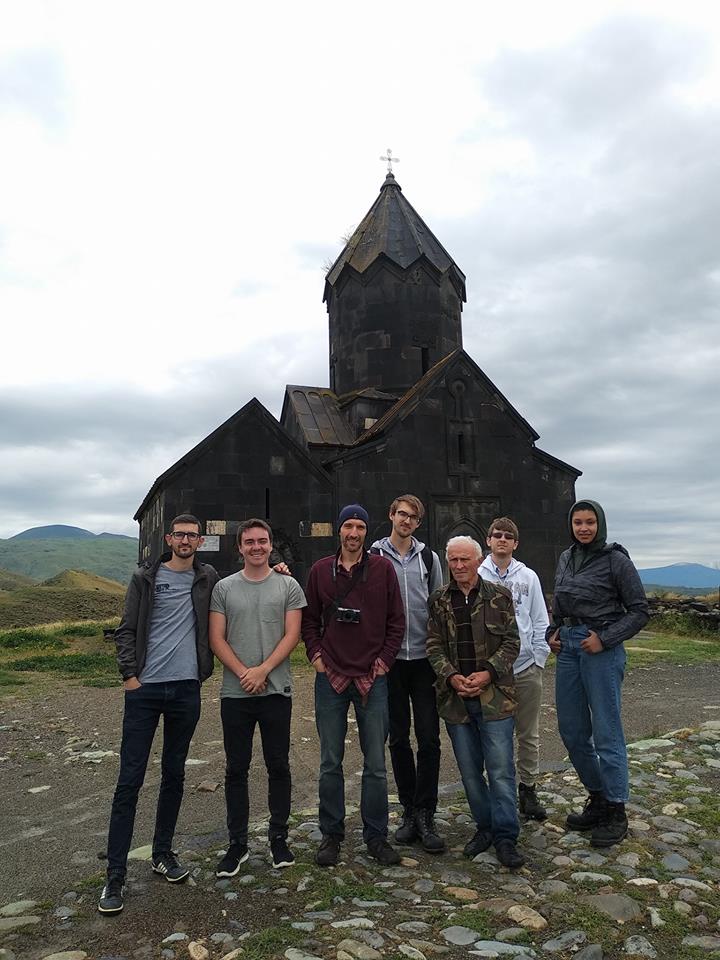
For the month of June, we are working alongside colleagues from the University of Central Florida and the Armenian Institute of Archaeology and Ethnography on the Vayots Dzor Fortress Landscapes Project. This valley region boasts spectacular views and interesting architecture, which informs us about transport and defense systems that go back thousands of years. Our team is made up of archaeologists and historians as well as computer scientists.
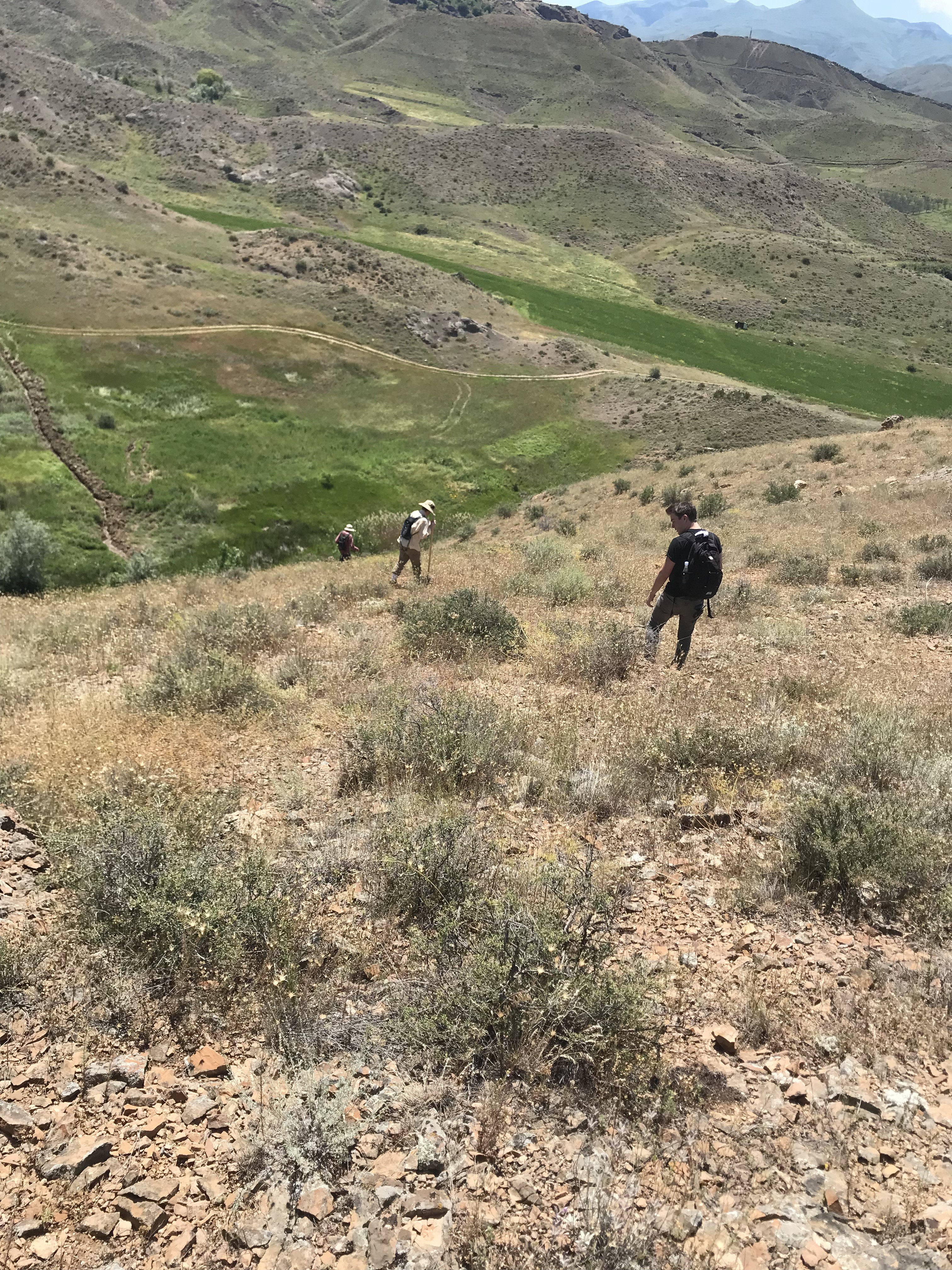
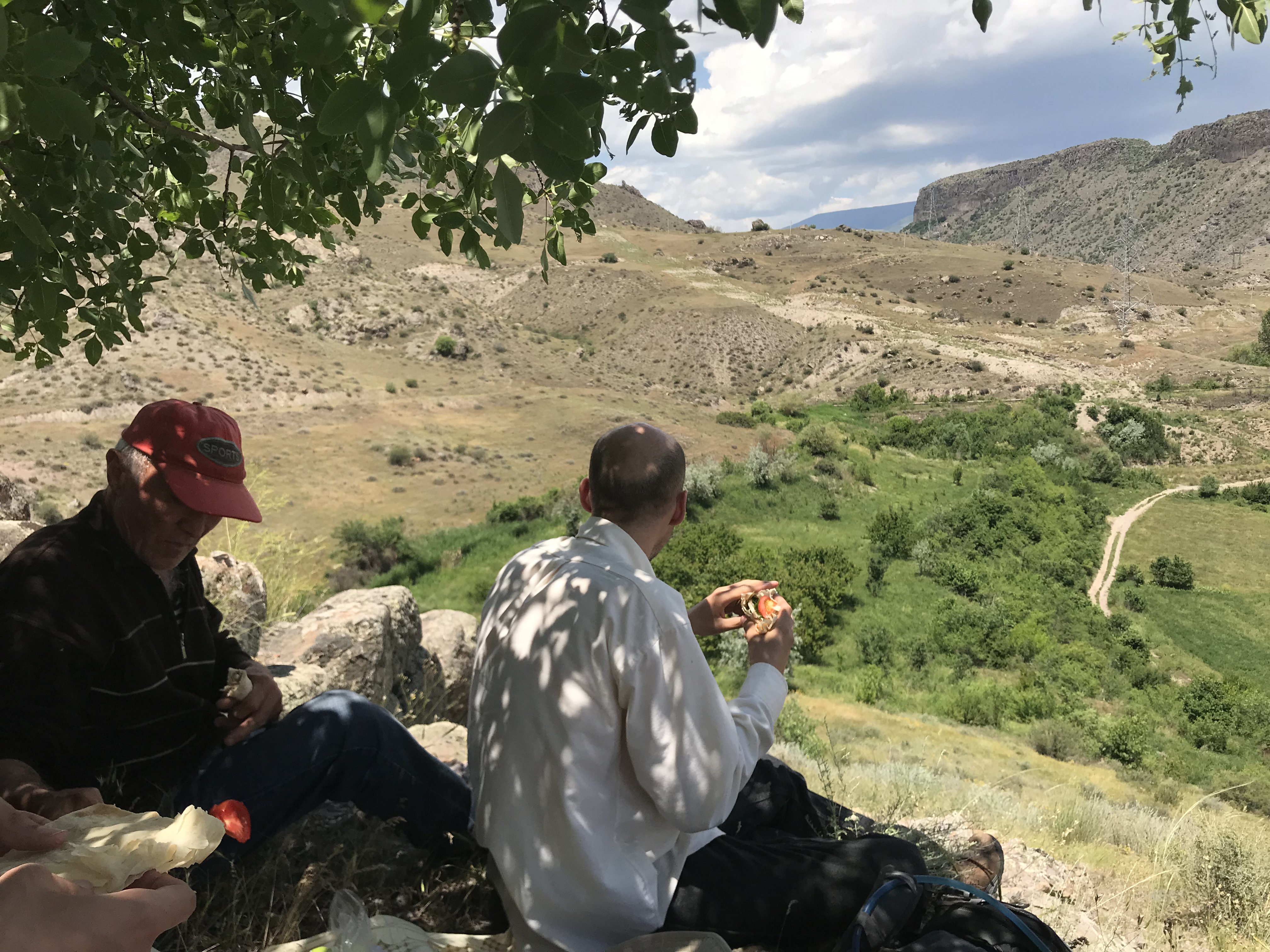
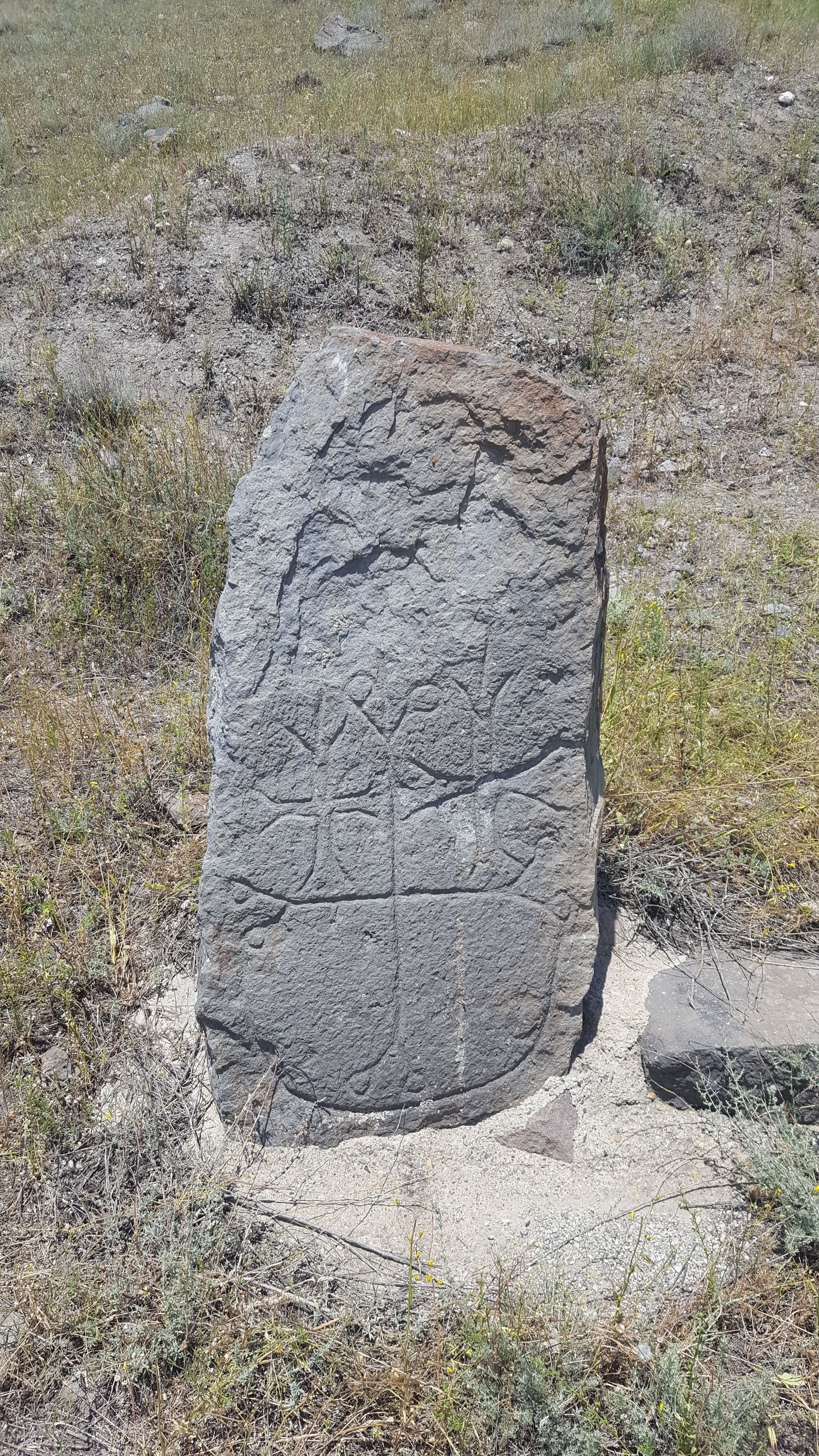 Our contribution to the project is using the practice of field-walking to find pottery and traces of structures, ranging from settlements, fortresses, cemeteries, and features like khachkars, which are stone stelae (upright commemorative markers). This requires walking through target areas, found through satellite imagery and advice from local residents. We walk 5 meters or more apart and pay close attention to the ground systematically as we go. We have been traversing the foothills, scaling rugged terrain and dodging snakes to find any traces of pre-modern material culture. This is an important step in the archaeological process which could lead to excavation later, if large traces of artifacts and architecture/walls are found. For example, our colleagues on the UCF team field-walked in their previous season and have launched an excavation at a site called Karaglukh Fortress II this season.
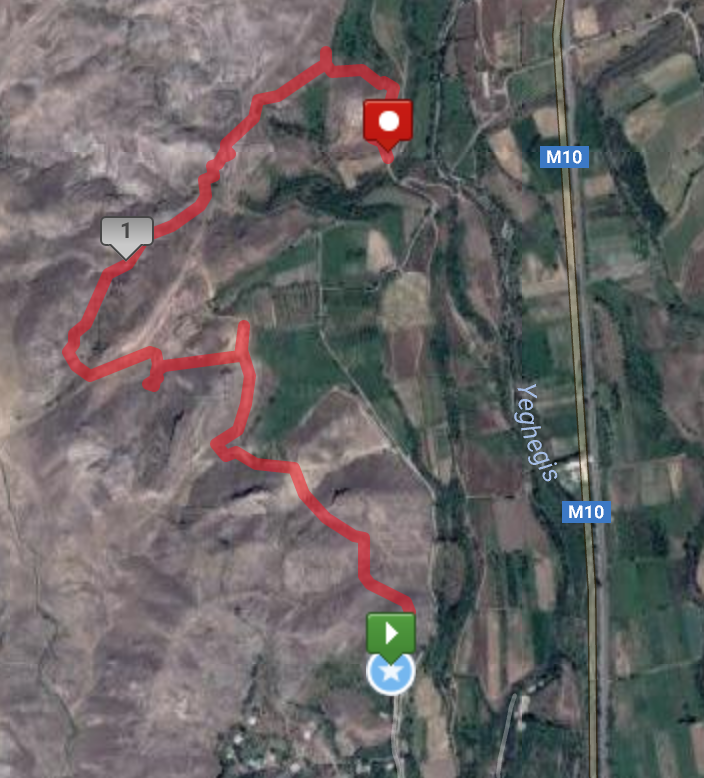
 Along the way we have mapped our routes and experimented with apps to optimize data collection. We use a custom app called Location Collector together with new GNSS equipment to pinpoint where an artifact is found in the most accurate way possible. The data is then synced into a database which we can access later for analysis. We have another app made for object recording in the lab, which helps us photograph objects. Other technology we have employed in the field includes drone photography, for covering interesting landscapes we intend to turn into 3D models. We have also begun 3D scanning the pottery sherds we have found. These digital methods are important because they open the door to making archaeological methods faster, more accurate, and accessible.
 Our overall goals are to advance the field of digital humanities through the utilization of technology in research, and to collaborate with the local community in the process. As we have conducted field-walking we have run into local farmers and villagers eager and interested to learn about what we are doing and to offer suggestions for other sites for us to see. Our Armenian colleagues from the Institute, especially Hayk Azizbekyan, assist us with these situations and have also taught us various words and phrases along the way, for all of which we are very thankful. Our experiences thus far attest to the richness of Armenian history and culture.
This page has paths:
- 2018 Fieldwork in Armenia Peter Cobb