2026-blog-01-photo-02
1 media/2026-blog-01-photo-02_thumb.jpg 2026-07-07T02:58:38+00:00 Peter Cobb 29b5ca8528741ed24b5845551abe7867c123652d 3 1 plain 2026-07-07T02:58:38+00:00 Peter Cobb 29b5ca8528741ed24b5845551abe7867c123652dThis page is referenced by:
-
1
media/2026-blog-01-photo-03.jpg
media/2026-blog-01-photo-03.jpg
media/2026-blog-01-photo-03.jpg
2026-06-29T14:22:18+00:00
Finding Answers in the Dirt
30
plain
2026-07-07T03:38:46+00:00
by Pang Ching
Undergraduate in Architecture, Bachelor of Arts in Landscape Studies, University of Hong Kong
June 2026
Museum displays are confident. Perfectly in the light, labelled with certainty, telling a clean story. However my journey in APSAP didn’t start with confidence, it started with confusion—and a lot of silent questions.
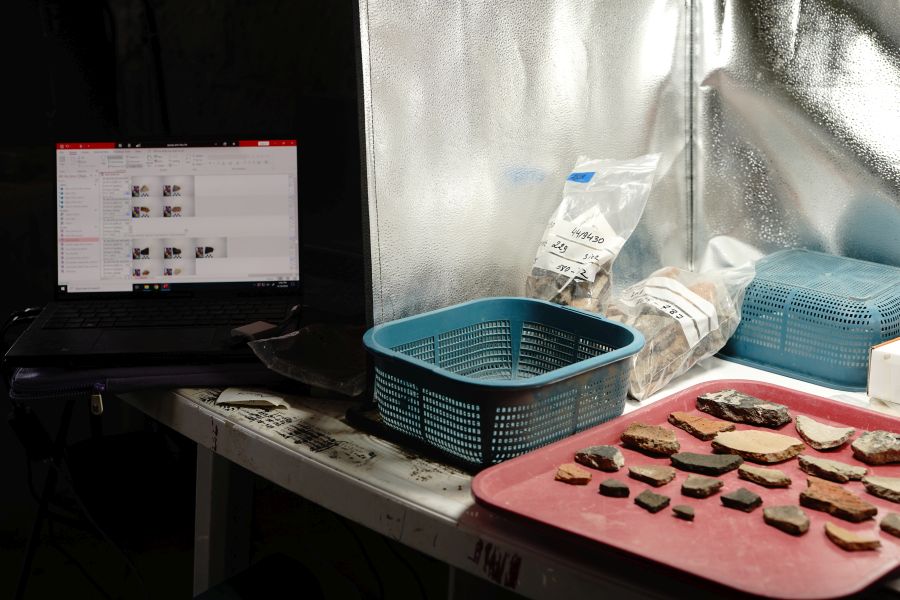
I arrived in Urtsadzor a week before the rest of the field team. My first week on APSAP wasn’t spent under the sun but was spent with a laptop in the lab. My first job was data entry. I sat there, exporting weights, writing find and context numbers into a database for artifacts I had never seen pulled from the ground. To me, they were just strings of digits – I didn't know what those contexts looked like.
What am I actually doing? I kept the questions to myself. I was new, and I didn't want to admit that the very core of the project felt utterly hollow to me. I contributed to build the database for a reality I hadn't witnessed, and it felt like putting a puzzle together blindfolded. Days passed. I continued entering data, and the questions grew louder. I looked at the clock often, counting down until the rest of the crew arrived, hoping that the field would give me the answers I couldn't find on the screen.
Finally, the team arrived, I stepped out of the lab and onto the Ararat Plain.
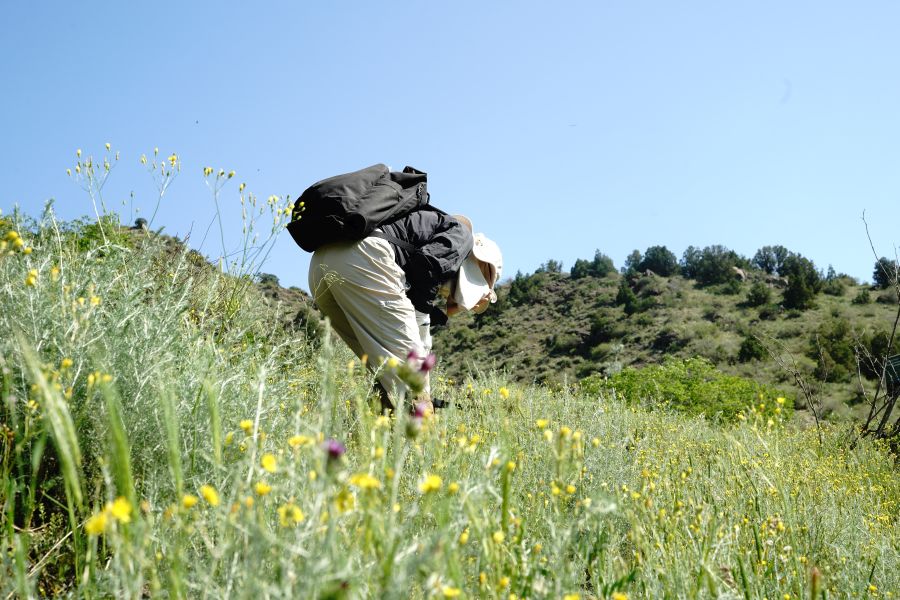
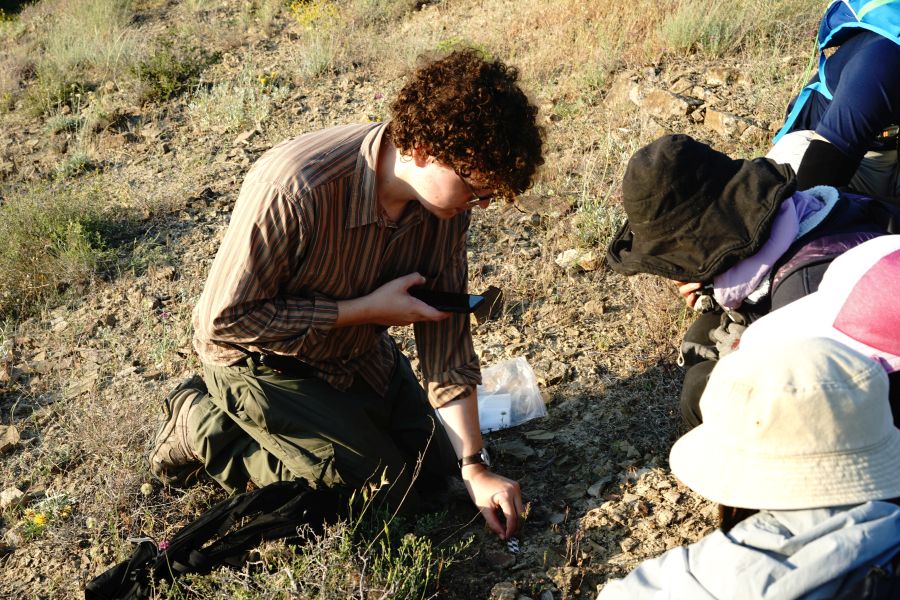
Surveying was my first taste of reality. Walking on steep slopes, eyes glued to the dirt, I started to understood the "scatter." I picked up a pottery piece that looked similar to the ones I had been data entering about.
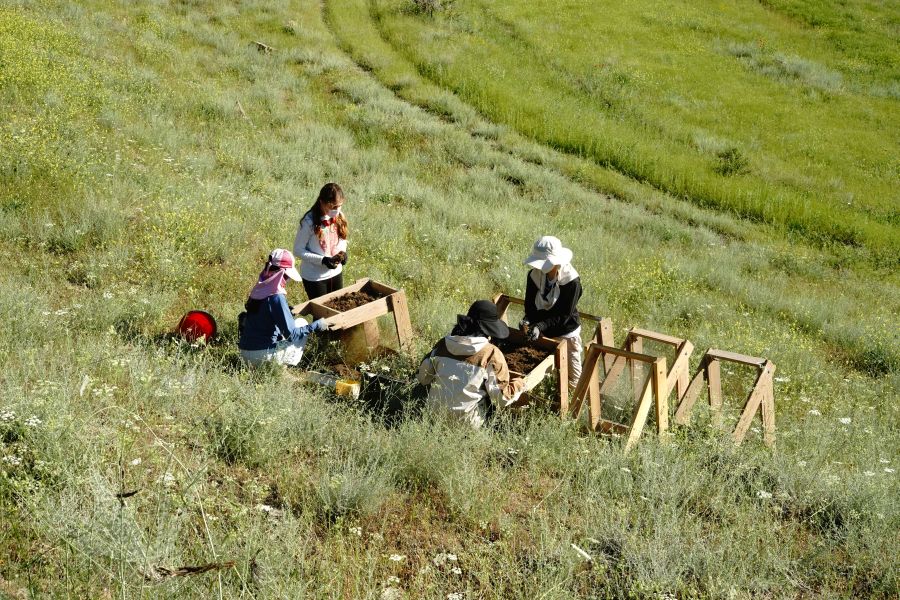
Then came excavation. In the trench with a trowel, I watched another pottery piece excavated from a layer of compacted soil. We bagged it with a context number. Suddenly, the abstraction came into focus. The answers to my "why" started trickling in.
Back in the lab in the afternoons, while my classmates sat down at the computers to do the data entry for the past years’ finds, I was assigned to auditing.
While they typed fresh data, I took the dusty, excavated bags straight from the organised boxes and cross-checked them against the digital entries. I opened a bag, counted the finds, and compared them to what had been entered. The question returned: Why am I doing this tedious, repetitive checking while everyone else moves on to inputting new objects?
This time, I didn't keep it completely to myself—but I kept the doubt quiet, grinding through the database. And then, I found an error. A bag labelled "Context 135" had been entered as "Context 235" in the system. One digit off. It would have placed that pottery meters away from its true origin. It was at that very moment my question answered itself. This is why I audit. The story of that entire trench would have been geographically broken if I hadn't caught that.
I never asked those early questions out loud—but I didn't have to. The answers came organically as a slow accumulation of days in the field and hours in the lab. Week 1 data entry taught me the vocabulary. Surveying taught me the landscape. Excavation taught me the origin. And auditing taught me the responsibility.
When I walked into the Zvartnots museum after my last day in the field, I looked at the artifacts behind the glass and became aware of the invisible machinery behind them. It wasn't easy, or quick. It took blisters on my feet, dirt under my nails, and an aching back from auditing bags.
Archaeology is not about instant discovery: It is about trusting and learning from the process. You may enter data before you know why. You may audit when you'd rather be digging. You may ask silent questions and keep working. And if you stay patient—if you spend enough time with your hands in the soil and your eyes on the bags—eventually, the dirt tells you everything you needed to know.