2025 Blog 05 03
1 media/2025-blog-05-03_thumb.jpeg 2025-07-29T14:11:42+00:00 Iris Tam 7408022eed86c31e8c20cceedd4c9a7493bd13a1 3 1 plain 2025-07-29T14:11:42+00:00 Iris Tam 7408022eed86c31e8c20cceedd4c9a7493bd13a1This page is referenced by:
-
1
media/2025-blog-05-01.jpeg
2025-07-29T13:56:59+00:00
Unearthing Armenia’s Past: A Visit to the History Museum of Armenia
12
plain
2025-07-29T14:51:43+00:00
By Chengxi Lian
Undergraduate in Social Sciences, University of Hong Kong
July 2025
Armenia is a country steeped in history and culture — even a quick search on Wikipedia reveals over twenty museums scattered across the nation.
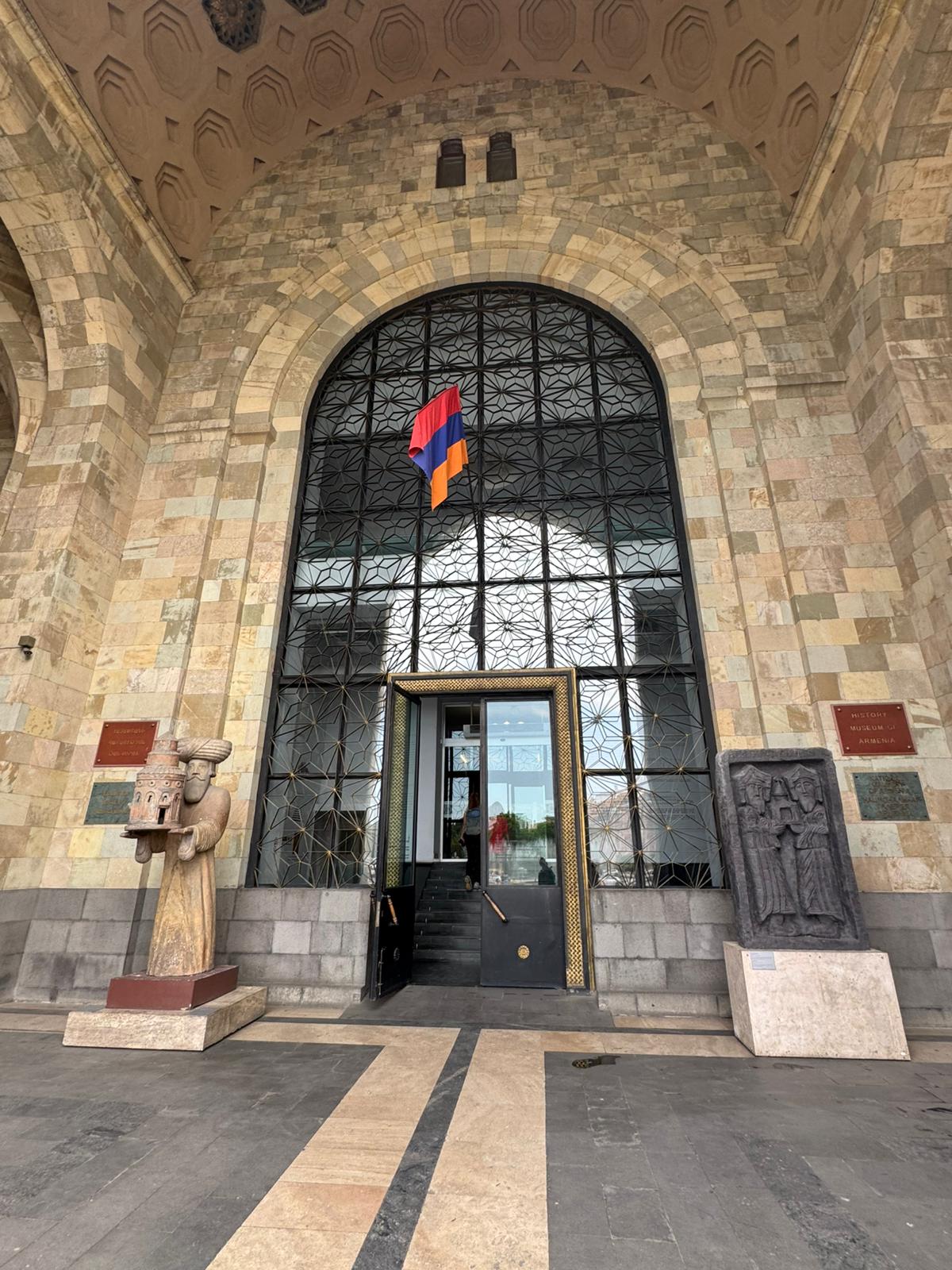
To better understand this cultural richness and to support my archaeological learning, I decided to spend my weekend exploring one of the most important museums in the capital city Yerevan: the History Museum of Armenia.
Located in Republic Square, right in the heart of Yerevan, the museum was established on September 9, 1919, and now houses around 400,000 artifacts. Its official collections span across archaeology, numismatics, and ethnography, offering a sweeping overview of Armenian history from the Paleolithic era to the present day. It is, without doubt, a national treasure trove for anyone interested in the deep roots of this land.
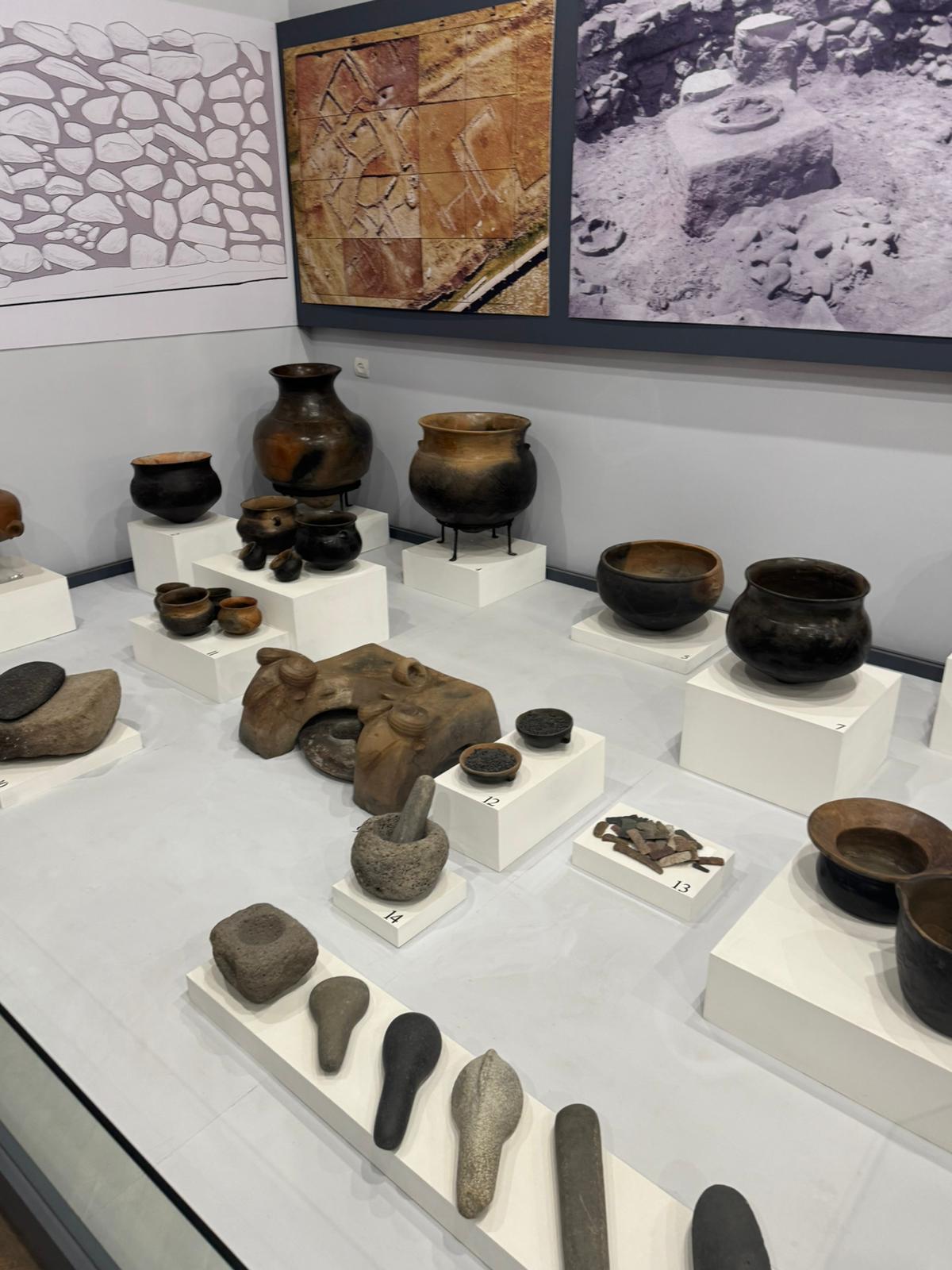
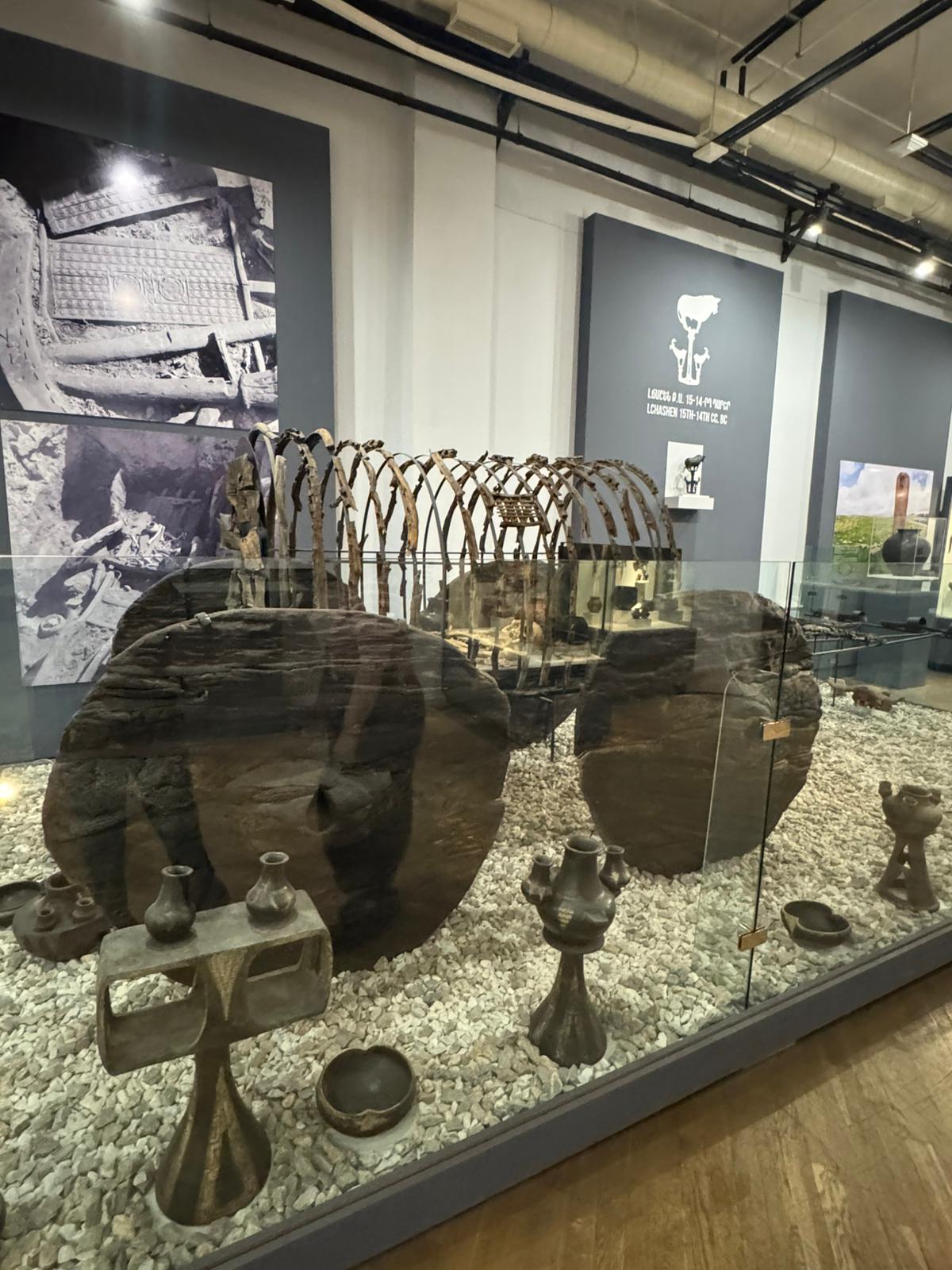
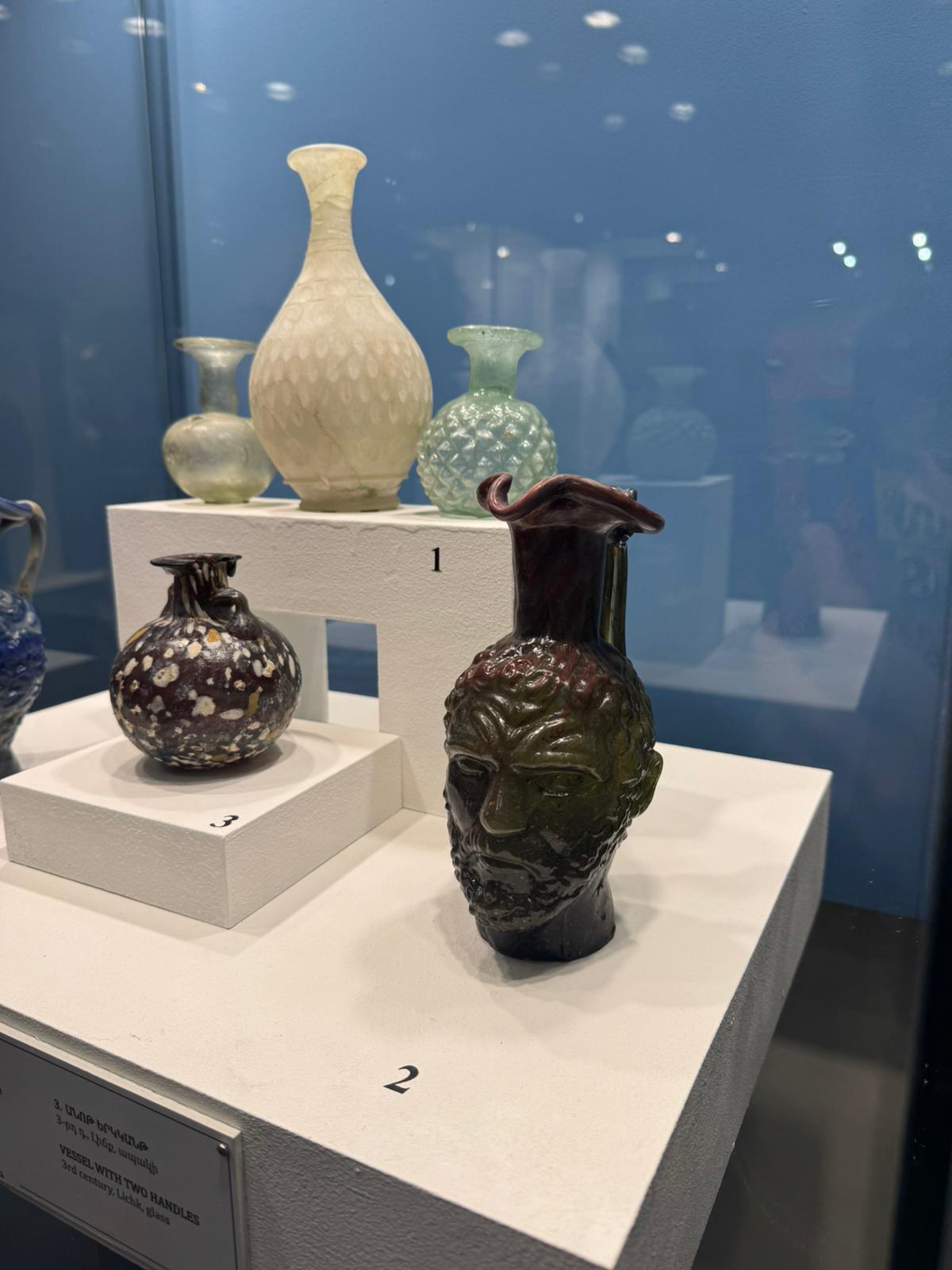
Since the site we are excavating dates primarily to the Iron Age, I paid special attention to the exhibits from that period and those surrounding it. The museum showcases a wide array of significant archaeological finds from various sites across Armenia.The collection includes religious altars, sculpted human figurines, finely crafted bronze objects, weaponry, ceramics, and even well-preserved wooden chariots, all of which reflect the complexity and craftsmanship of early societies in the region.
I was especially amazed by the wooden chariot, a large and elaborate object that has survived the passage of time. My friends and I stood in awe, trying to imagine how such a structure could remain so intact after centuries. We also saw many ceramic vessels that looked strikingly similar to the pottery shards we had just excavated days earlier. It reminded me how central pottery is to archaeological work which is a true window into daily life, trade, and ritual in the past. As archaeologists often been said, they are all “pottery experts” in training.
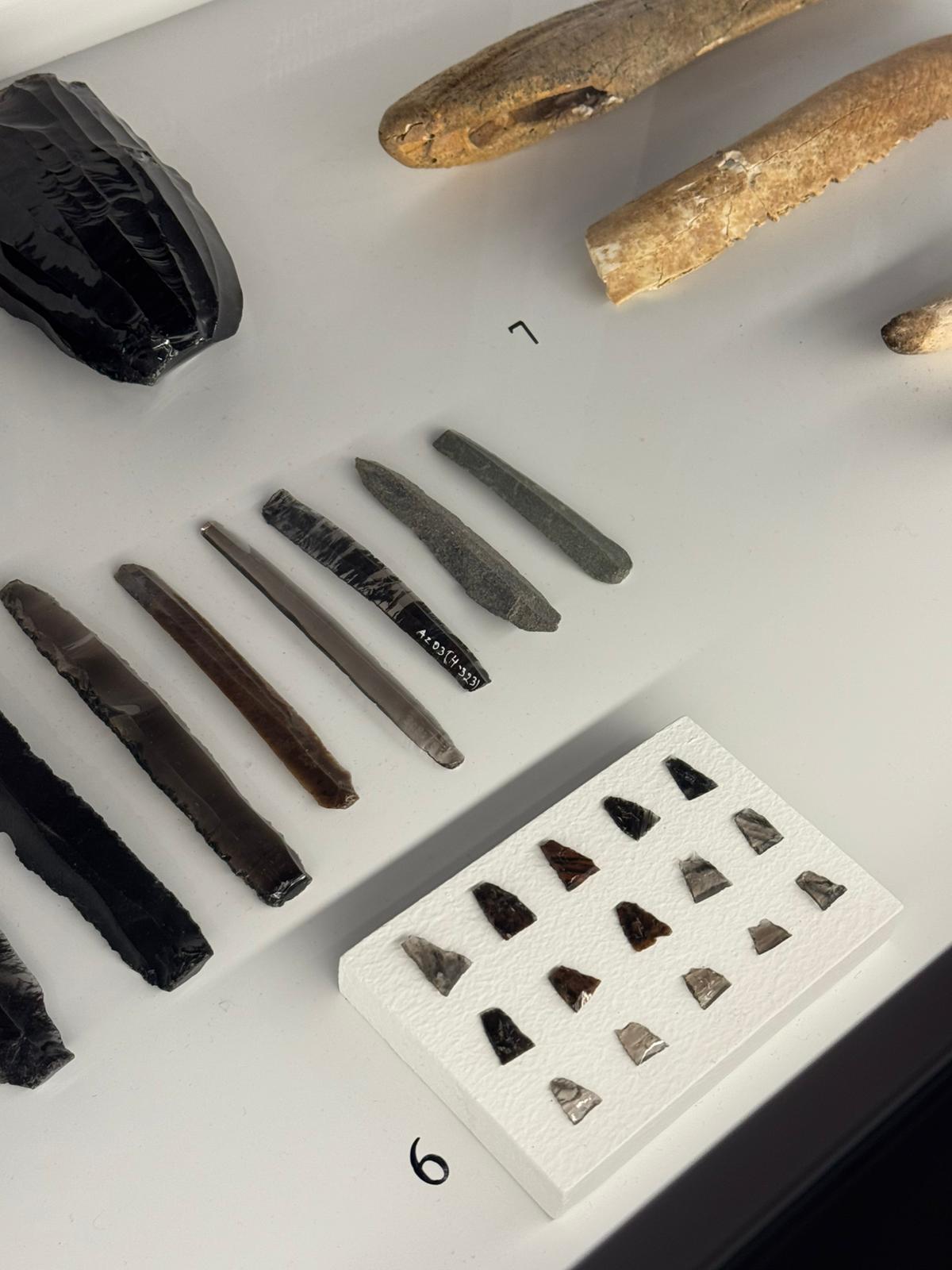
Though the museum isn’t large in scale, its chronological range is impressive and its content dense. We spent nearly three hours wandering through its galleries, discussing artifacts and making connections to our fieldwork. For me, the most memorable moment came when I spotted obsidian and ceramics that resembled the ones I had personally uncovered. That sense of familiarity made the connection between excavation and exhibition feel real and meaningful, as if the distant past was no longer distant, and I, in a small way, was part of stitching the human story together.Here is the link to the official website of the History Museum of Armenia.
https://historymuseum.am/en/