1media/2022-blog03-tools.jpeg2023-03-24T05:27:55+00:00Excavation in Armenia3plain2023-03-24T06:05:17+00:00By Silviane Lo Undergraduate in Architectural Conservation, University of Hong Kong September 2022
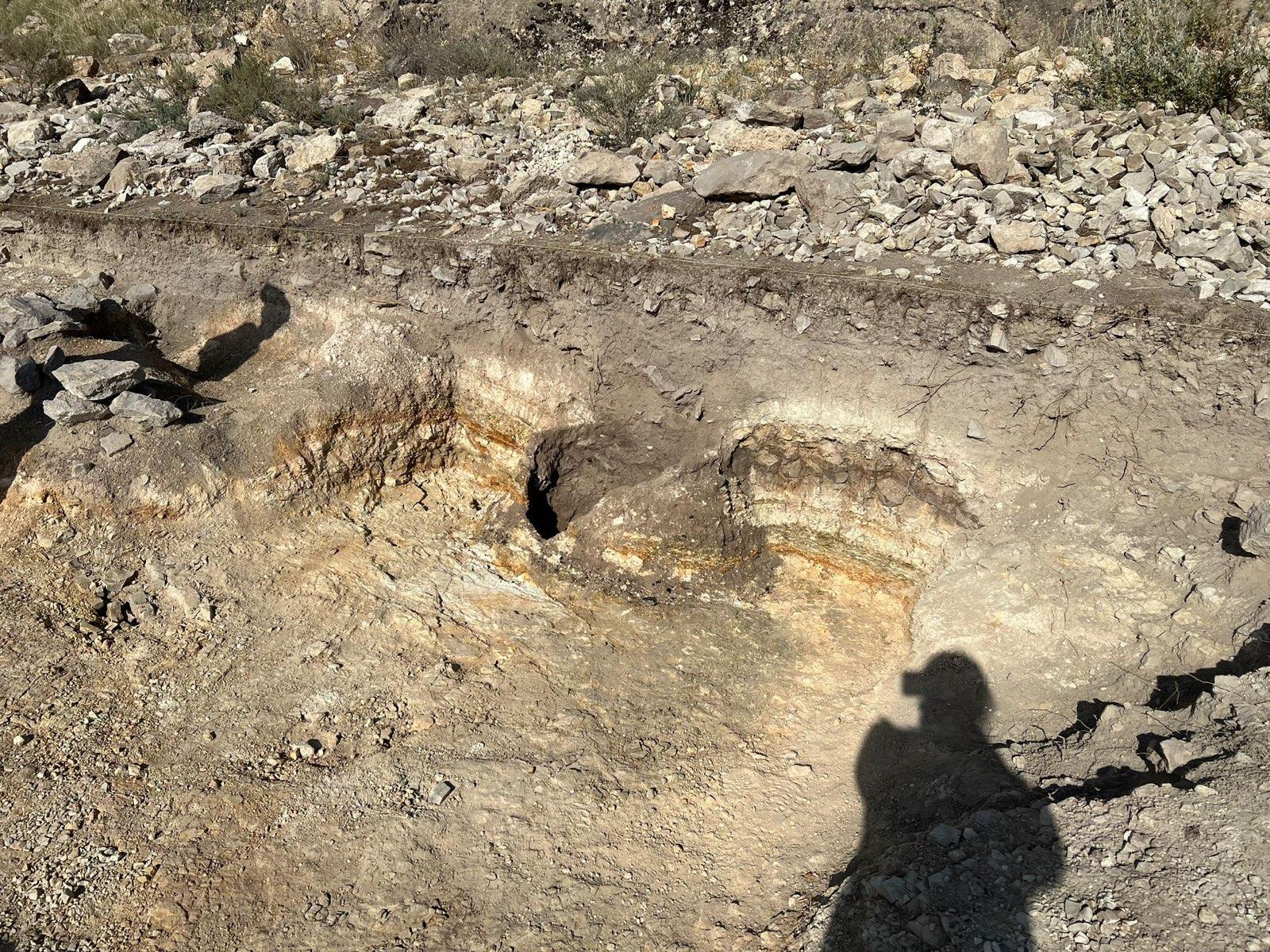
The project gives the students such a unique opportunity to actually handle artifacts! In the last summer, I was assigned to open up a new trench. Through the process, I have learnt a lot in how to mark the trench, remove vegetation and begin excavation. We started by the west one-third elevation of the trench and offsetting 25cm to clean up the more modern dirt and during the process, we jot down where we have found any noteworthy special finds, anything that is not typically found in the site. We were initially dismayed by the trench because we previously spent weeks cleaning it but not many unique features are emerging during this process. However, we are fascinated when we decided to dig underneath places where some sets of black pot concentrate in order to find out the reason of why they cluster. We found a burial pit underneath that comes with a few exiting special finds. And we spent a week on it to clean up the bedrock surround the area and the pit itself. It is definitely laborious work, but worthy to do so as we are very exciting to see the pit and revealing what is buried inside. Interestingly, we still have not found where is the bottom of the trench and what causes the sudden changes in the elevation of the bedrock this summer. Also, on the last few days of the excavation season, we also found another group of black sherds which might come from another pit as well. Excavating here is an incredible experience and we are always surprised by what we can find everyday on the site. We hope that we can unravel the mystery with the upcoming excavations, and learn more about the trench and the site. In addition to the incredible experience on the field, we are thrilled to have an opportunity to clean the special finds we discovered from the site. Last summer, we researched on how to conserve the materials, learning how to dry brush them and create a stable macro environment to store them in Armenia. And right now we are preparing for the conservation work that will take place in the coming summer!